

Share

Exploring Flexible 3D Printing Materials
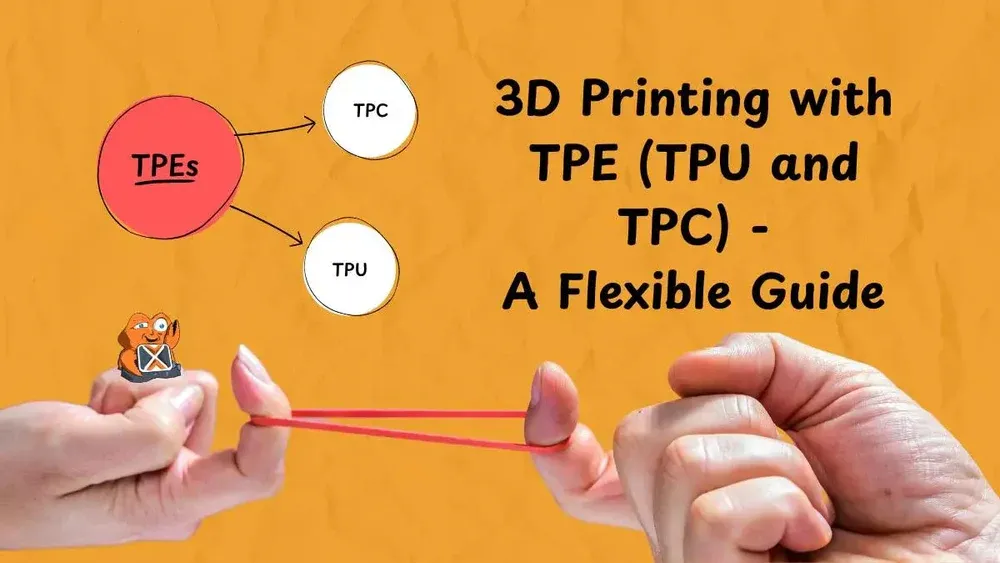
Dive into the world of TPE, TPU, and TPC filaments. Discover their unique properties and how they're revolutionizing industries from manufacturing to everyday products. Their flexibility opens up a universe of new applications.
Coex 3D offers a variety of TPE filaments, including TPU and TPC, in different durometers. Each option provides distinct characteristics for your specific needs.
Understanding TPE (TPU and TPC)
TPE (Thermoplastic Elastomer):
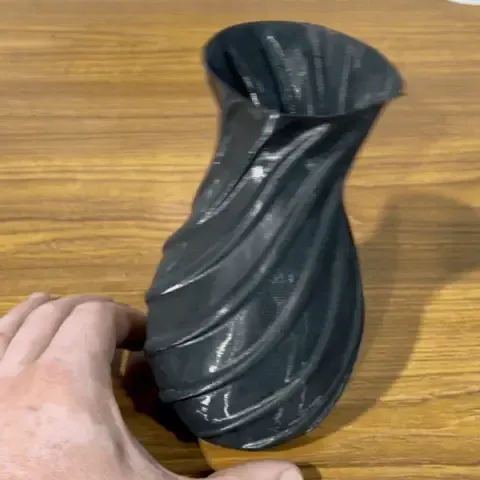
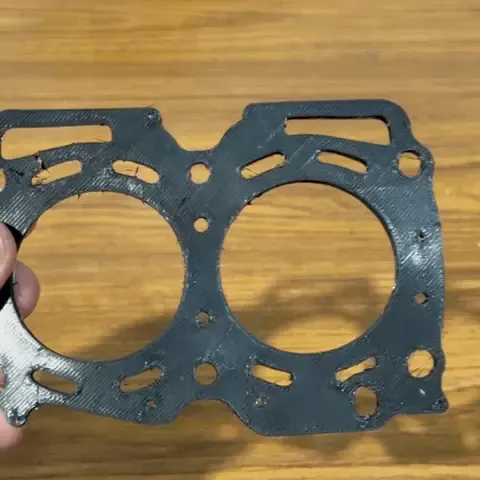
TPEs are a blend of thermoplastic and elastomeric materials, offering both flexibility and durability. They are available in various hardnesses and can be customized to meet specific requirements. TPEs are commonly used for soft toys, shoe soles, gaskets, and medical devices.
TPU (Thermoplastic Polyurethane):
Properties:
TPUs are known for their excellent abrasion resistance, flexibility, and tensile strength. They are often used in applications requiring high performance and durability.
Applications:
TPUs are popular for automotive components, sports equipment, footwear, and industrial parts.
TPC (Thermoplastic Copolyester):
Properties:
TPCs are a type of polyester with enhanced flexibility and toughness. They offer good chemical resistance and dimensional stability.
Applications:
3D Printing Tips
Here you can find solutions to common problems with flexible materials.
Printer Compatibility:
Not all printers work with flexible materials (TPEs). Check compatibility.
Direct Drive Extruder?
A direct drive extruder is often recommended for flexible materials.
Slicer Settings:
Adjust temperature, speed, and infill for TPEs. Print slowly.
Experimentation:
Finding the best settings may require trial and error.
Supports:
Superb layer bonding makes TPE supports difficult to remove cleanly.
Post-Processing:
Annealing or hot water may improve TPE properties.
Advantages of Using TPE, TPU, and TPC
Flexibility and Elasticity:
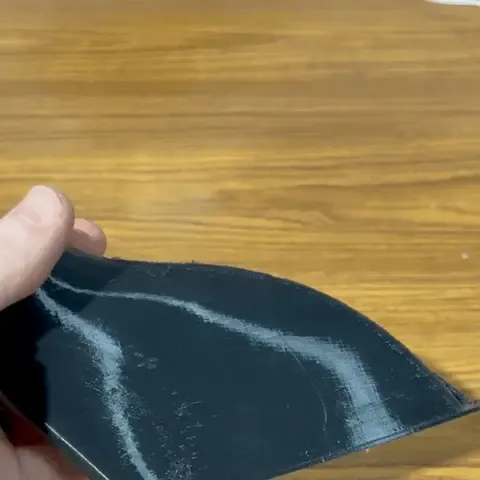
These materials offer excellent flexibility and elasticity, making them ideal for applications requiring soft or deformable components.
Durability and Resilience:
TPEs (TPUs and TPCs)
are known for their durability and resilience, making them suitable for demanding environments.
Chemical Resistance:
Many of these materials exhibit good chemical resistance, making them suitable for applications exposed to various chemicals or harsh conditions.
Biocompatibility:
Some TPEs are biocompatible, making them suitable for medical devices and implants.
Conclusion
TPEs offer a versatile range of properties, making them a valuable 3D printing material. Just like any 3D printing material, quality matters. A higher-grade filament will yield a higher-grade print. By understanding their characteristics and adjusting printer settings accordingly, you can create functional and innovative products. Whether you are designing soft toys, wearable devices, or industrial components, these flexible materials provide endless possibilities for 3D printing applications.
Share
 Previous article
Let's Connect
Get in touch with your customers to provide them with better service. You can modify the form fields to gather more precise information.

Free shipping
Complimentary delivery on all orders.
Satisfaction Guaranteed
If you're not happy, we'll make it right.
Top-notch support
Reach out to our dedicated team for assistance.